
The Imperative of Distinguishing Medical-Grade Devices from Wellness Tech
Why the flood of consumer wellness devices demands clear boundaries between lifestyle improvement and clinical diagnostics
Why the flood of consumer wellness devices demands clear boundaries between lifestyle improvement and clinical diagnostics

For consumers and clinicians the difference between “FDA-cleared,” “FDA-registered,” and general wellness products is not always obvious. Clear communication about intended use and supporting evidence is essential for maintaining trust.

Healthcare decision-makers, especially at pharmaceutical companies, must prioritize patient input. Data collected from social media listening is a significant step in the right direction.

Philadelphia’s fitness scene extends beyond basic workouts to support total health and wellness.
Mobile IV therapy has become an increasingly popular wellness solution in Austin, offering fast hydration, nutrient delivery and recovery support without the need to visit a clinic.

From the heavy emphasis on limiting all ultra-processed foods and eliminating added sugars to placing saturated fats at the top of the pyramid, the new DGAs provide a framework, but highlight areas that still need nuance, clarity, and practical context.

Oura has evolved from a sleep-focused wellness startup into a company getting deeper and deeper into chronic disease management and healthcare integration. Ricky Bloomfield, the company’s chief medical officer, said Oura wants to integrate more of its data into healthcare workflows — in ways that are clinically meaningful, not burdensome, for physicians, he emphasized.


We have the opportunity to design systems that give people greater capacity for the work where human presence matters most: listening, understanding, reassuring, deciding, and caring.
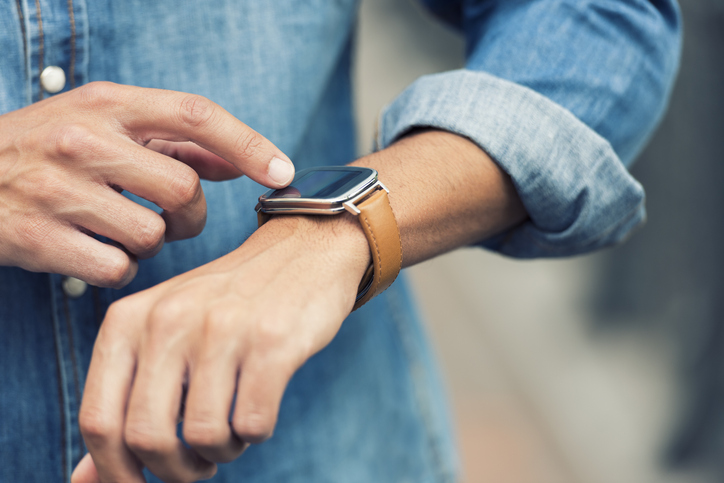
To shift wearables from wellness tools to useful drivers of disease management, the data they generate must be as trustworthy as it is plentiful. Clear frameworks that govern how information is gathered and used are needed, along with standards for the accuracy and reliability of devices

Mobile IV therapy brings hydration and wellness straight to your door. Compare top providers, including Mountain Rocky IV Medics, and find the right fit for your health needs.
By shifting the focus for consumers earlier in the care continuum, AI has the potential to play a transformative role in prevention and personalized health solutions-particularly for health conditions that impact hundreds of millions of people worldwide.

For all the talk about this problem, the industry has struggled to make big headway. But there are solutions — here are a few steps that make a substantial difference.

What if health plans could identify member decline before an avoidable hospitalization occurs? Real-time clinical visibility into long-stay SNF members uncovers risk earlier and drives better outcomes.


Every wellness clinic is only as successful as the capabilities of its software. Here's where you can find the top-rated practice management solutions for med spas.

Choosing the right software translates directly into better client management, operational efficiency and growth for your spa franchise. Discover which tool is best for your business.

By increasing the availability of services through flexible payment methods, providers have an opportunity to expand their customer base and establish themselves as trusted partners in the wellness journey.

Holistic care requires proactive pursuit of health services, which more people might seek if financing options are available to manage costs.

Wellness-oriented consumers are seeking products and practices backed not only by promises but by scientific credibility.